


 English
 Español
 Portugues
 العربية
плавающий шаровой кран
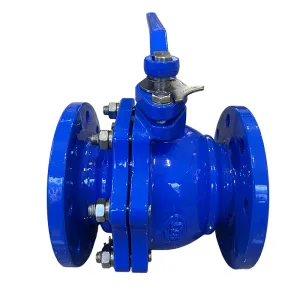
Плавающий шаровой кран — это широко применяемая промышленная арматура, предназначенная для управления потоком жидкостей и газов в трубопроводных системах. Он называется «плавающим», поскольку шар внутри крана не зафиксирован цапфой или валом снизу. Вместо этого шар удерживается между двумя седлами и может слегка смещаться под давлением. Такая конструкция позволяет шару перемещаться вниз по потоку при подаче давления, обеспечивая плотное прилегание к седлу со стороны выхода. Благодаря этому плавающие шаровые краны отличаются надёжной запирающей способностью и простой конструкцией. Основной принцип работы плавающего шарового крана достаточно прост. Когда рукоятка или привод поворачивает шпиндель на 90 градусов, шар вращается так, что отверстие внутри него совмещается с трубопроводом. В этом положении рабочая среда проходит с минимальным сопротивлением. При повторном повороте шпинделя сплошная часть шара перекрывает проход, полностью останавливая поток среды. Поскольку для открытия или закрытия крана требуется лишь четверть оборота, он работает быстро и эффективно. Одним из важнейших преимуществ плавающего шарового крана является его превосходная герметичность. Давление среды помогает прижимать шар к нижнему по потоку седлу, улучшая уплотнение. Это делает кран пригодным для применений, где необходимо свести утечки к минимуму. Он часто используется в водоподготовке, нефте- и газопроводах, химической промышленности, системах отопления, вентиляции и кондиционирования, а также для общепромышленного управления жидкостями. В зависимости от материалов корпуса, шара, шпинделя и седла он способен работать с различными средами, включая воду, масло, газ, пар и ряд агрессивных сред. Плавающие шаровые краны обычно изготавливаются из нержавеющей стали, углеродистой стали, латуни и различных конструкционных пластмасс. Выбор материала зависит от температуры, давления и типа рабочей среды. Сёдла крана нередко выполняются из эластичных материалов, таких как PTFE или армированные полимеры, что обеспечивает плотное запирание и снижает износ. Благодаря компактным размерам и относительно невысокой стоимости плавающие шаровые краны подходят для многих стандартных трубопроводных систем. Тем не менее у плавающих шаровых кранов имеются и определённые ограничения. В условиях высокого давления или при больших диаметрах усилие, действующее на шар, может становиться очень значительным, что приводит к росту крутящего момента при управлении и ускоренному износу сёдел. По этой причине в ответственных условиях эксплуатации чаще предпочитают краны с цапфовым креплением шара. Тем не менее плавающие шаровые краны остаются одним из наиболее практичных решений для систем среднего и низкого давления благодаря своей простоте, долговечности и надёжной работе. Подводя итог, плавающий шаровой кран — это кран с четвертьоборотным управлением, обеспечивающий быстрое срабатывание, надёжную герметизацию и универсальность применения во многих отраслях. Простая конструкция, эффективное запирание и широкий спектр применения делают его важным элементом современных систем управления потоком.
продукт
классификация:
-
Шаровой кран
Их классификация: Шаровой кранмнения: 127номер:Время выпуска: 2026-08-25 18:59:49Шаровой кран — это запорная арматура с поворотом на четверть оборота, в которой для управления потоком рабочей среды используется сферический шар с отверстием. Кран открывается или закрывается поворотом шара на 90 градусов. Когда отверстие совпадает с осью трубопровода, кран полностью открыт; когда отверстие перпендикулярно оси трубопровода, кран закрыт.
новости
классификация:
Нет результатов поиска!
случай
классификация:
Нет результатов поиска!
видео
классификация:
Нет результатов поиска!
скачать
классификация:
Нет результатов поиска!
вербовка
классификация:
Нет результатов поиска!
Рекомендуемые продукты
Нет результатов поиска!



 WhatsApp
 телефон